

In the world of manufacturing and electronics, the humble coil is a silent hero. From electric motors to transformers, coils are the backbone of countless devices. But behind every flawless coil lies a critical, often overlooked factor: **tension control**. Imagine a pianist playing a concerto—the strings must be tuned to perfection, neither too loose nor too tight. Similarly, coil winding demands precision tension to ensure performance, durability, and efficiency. Let’s unravel why tension control isn’t just a technical detail—it’s the heartbeat of quality.
---
### Why Tension Control Matters: The Hidden Game-Changer 🎯
Coil winding might seem straightforward: wrap wire around a core, right? But like a spider spinning its web, the process requires meticulous balance. Too much tension, and the wire stretches, weakens, or snaps. Too little, and the coil becomes loose, erratic, or prone to short circuits. The stakes are high—industrial machinery, medical devices, and aerospace systems rely on coils that perform flawlessly under stress.
Consider the automotive industry. Electric vehicles (EVs) depend on tightly wound coils for motors and batteries. A single inconsistency could mean reduced efficiency, overheating, or even failure. Here, tension control isn’t just about avoiding defects—it’s about safety, sustainability, and staying ahead in a competitive market.
---
### The Challenges: Where Things Go Wrong ⚠️
Even seasoned engineers face hurdles in maintaining perfect tension. Let’s break down the common pitfalls:
1. **Material Variability**: Not all wires are created equal. Copper, aluminum, or specialty alloys behave differently under stress. Temperature, humidity, and even minor imperfections in the wire can throw tension off balance.
2. **Speed vs. Precision**: High-speed winding machines boost productivity but amplify the risk of tension fluctuations. It’s like sprinting on a tightrope—every misstep costs time and resources.
3. **Complex Geometries**: Modern coils aren’t just simple spirals. Multilayer, tapered, or irregular shapes demand dynamic tension adjustments. Without real-time control, consistency crumbles.
4. **Human Error**: Manual adjustments are prone to oversights. A technician’s guesswork can’t match the precision of automated systems.
---
### The Solution: Smart Tension Control Systems 🌟
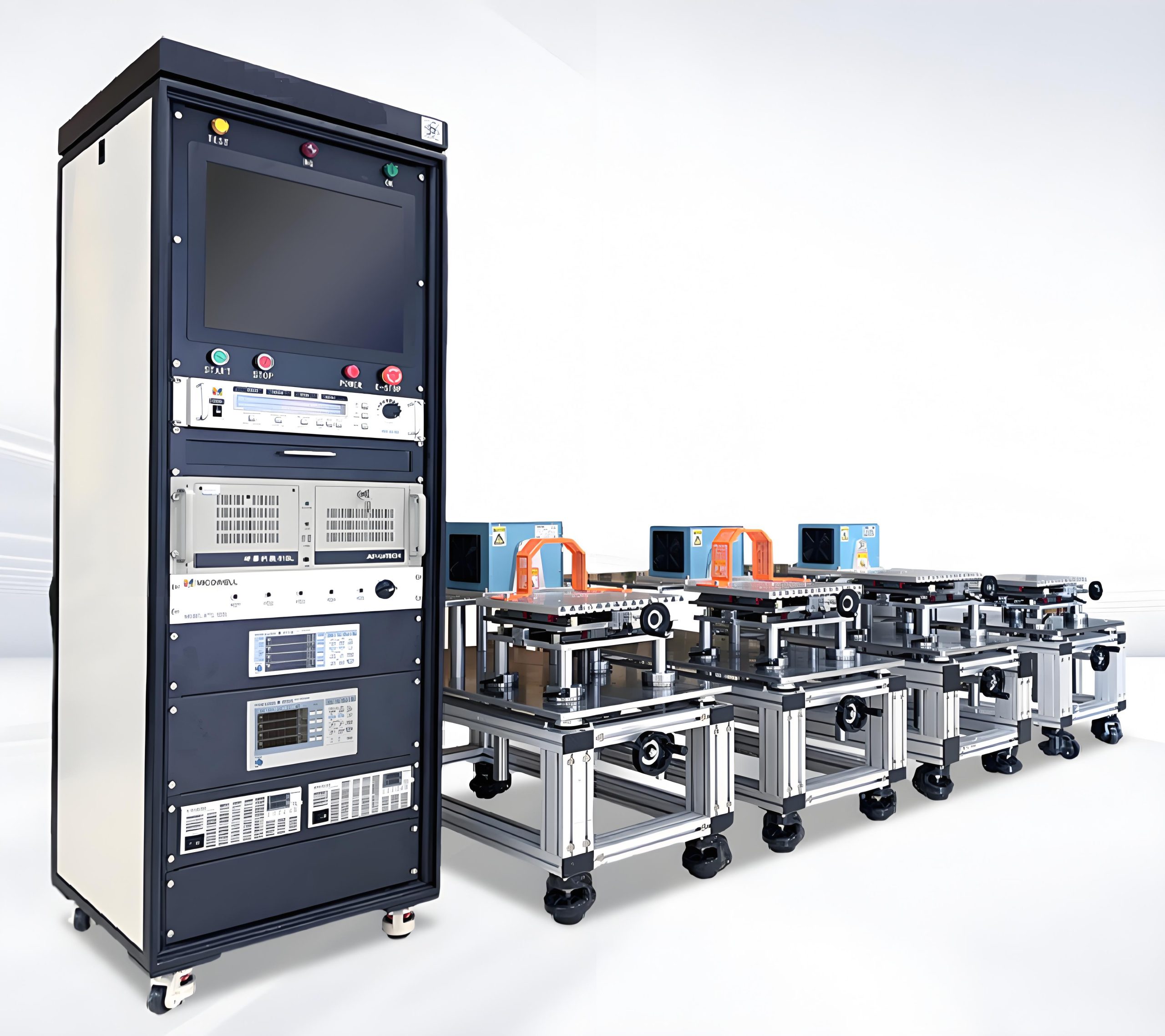
Enter advanced tension control technologies—the unsung heroes of coil production. These systems blend mechanical engineering with cutting-edge software to deliver pinpoint accuracy. Here’s how they work:
**Closed-Loop Feedback Systems**: Like a conductor guiding an orchestra, sensors monitor tension in real time. If deviations occur, the system auto-corrects, adjusting brakes, clutches, or servo motors instantly. No more guesswork, no more waste.
**Adaptive Algorithms**: Machine learning models analyze historical data to predict and preempt tension shifts. Think of it as a system that learns from experience, optimizing itself for every new batch of wire or design.
**User-Friendly Interfaces**: Modern systems aren’t just smart—they’re intuitive. Touchscreen panels and customizable presets put control at operators’ fingertips, reducing training time and errors.
---
### Real-World Impact: Case Studies 🏭
Let’s see tension control in action:
- **Aerospace Innovation**: A manufacturer of aviation sensors struggled with coil failures during extreme temperature tests. By integrating adaptive tension control, defect rates dropped by 70%, ensuring compliance with strict safety standards.
- **Renewable Energy Breakthroughs**: A wind turbine producer needed tighter coils for generator efficiency. With hysteresis brake -time tension adjustments, energy output increased by 15%, slashing operational costs.

- **Medical Device Reliability**: A pacemaker manufacturer eliminated micro-fractures in coils using precision tension systems, boosting product lifespans and patient trust.
---
### The Future: Where Innovation Meets Opportunity 🚀
As industries push toward miniaturization and sustainability, tension control will play an even bigger role. Imagine biodegradable coils for eco-friendly electronics or nanoscale winding for next-gen wearables. The tools are evolving too—AI-driven predictive maintenance, IoT-enabled remote monitoring, and self-calibrating machines are already on the horizon.
But the core principle remains: precision is non-negotiable. Whether you’re crafting a satellite component or a smartphone charger, the difference between “good” and “groundbreaking” lies in mastering tension.
---
### Final Thoughts: Elevate Your Coil Game 🏆
Coil winding isn’t just a process—it’s an art form. And like any masterpiece, it thrives on attention to detail. By embracing advanced tension control, manufacturers don’t just avoid errors; they unlock new levels of efficiency, reliability, and innovation. The question isn’t “Can you afford to invest in tension control?” It’s “Can you afford not to?”
Ready to transform your production line? The future of coil winding is taut, precise, and brimming with potential. Let’s make every twist count. 🔄💡
---
[End of Article]